Siding Replacement in Humid Georgia Weather: What Homeowners Should Know in Macon, GA
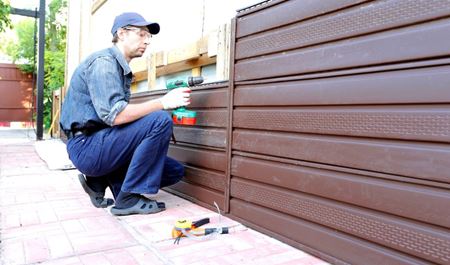
If you live in Macon, GA, you already know what heat, humidity, and summer storms can do to a home’s exterior. This guide explains how local weather affects your siding, the best materials for our climate, and what to watch for before problems spread. If you are already noticing damage, explore our siding replacement options for fast, professional help from Ark Roofing.
Why Humidity And Storms In Middle Georgia Are Tough On Siding
Macon sits in a humid subtropical zone where summer dew points often feel sticky by breakfast. Moisture lingers on wall surfaces overnight, then bakes under strong sun by afternoon. Add wind‑driven rain from pop‑up thunderstorms and the edges, seams, and window trim of your siding take a daily beating.
- Persistent moisture can swell wood‑based products and stress fasteners, which leads to waviness or gaps.
- Warm, damp air encourages algae and mildew, especially on north‑facing walls and shaded areas like Ingleside or Vineville’s tree‑lined streets.
- UV exposure fades color and can make brittle, lower‑grade vinyl crack when hit by flying debris during summer squalls.
- Improperly flashed roof‑to‑wall areas let water sneak behind panels, a common hidden issue after hail or gusty storms.
Humidity is relentless in Macon, so the right material and correct installation details matter more here than in drier climates.
Best Siding Materials For Macon, GA Homes
There is no one‑size‑fits‑all answer. The right choice depends on your home’s style, the shade on each elevation, and how much maintenance you want a pro to handle over time.
Vinyl Siding In Humid Climates
Vinyl remains popular across North Macon and around Lake Tobesofkee for its wide color range and lower maintenance needs. Modern vinyl panels resist everyday moisture and never need paint. In our climate, look for heavier‑gauge panels with reinforced locks, and insist on pro installation with attention to expansion gaps. That helps the siding move with temperature swings without buckling.
Pros often recommend lighter colors on sun‑soaked walls to reduce heat buildup and potential fading. If a section is damaged by wind‑blown debris, vinyl is usually simpler to replace panel by panel without disturbing adjacent areas.
Fiber Cement (Hardie) For Durability
Fiber cement, commonly known as Hardie siding, performs well against humidity, termites, and fire. It holds paint longer than wood in our damp summers and stays dimensionally stable as seasons change. Many Macon homeowners choose fiber cement on weather‑facing sides and pair it with architectural trim at gables for a classic look in neighborhoods like Shirley Hills.
Compared with vinyl, fiber cement adds a more solid feel and crisp shadow lines. It is heavier, so correct fastening, flashing, and clearance above rooflines and walkways are critical. A precise install prevents trapped moisture behind the boards and protects sheathing.
Engineered Wood And Other Options
Engineered wood siding offers the warmth of wood with added moisture resistance. In Georgia weather, the key is factory‑finished products paired with pro‑managed maintenance cycles so the finish stays intact. Metal and high‑end composite panels can also work, especially on modern designs, but details at seams and penetrations must be exact to handle wind‑driven rain.
Vinyl Vs. Hardie: What Matters Most In Macon
Both materials can look great and stand up to humidity when installed correctly. The choice often comes down to style preferences and how you want your exterior to age.
Vinyl gives you a clean, consistent look with minimal upkeep. It is less likely to need repainting, and isolated damage can be swapped out. Fiber cement gives a more substantial appearance, tolerates heat well, and accepts paint that can be refreshed when you change colors. For homes with tall sun‑exposed walls or where lawn equipment and toys may bump the exterior, fiber cement’s rigidity is a plus.
Work with a local team that handles both roofing and siding. Roof‑to‑wall transitions, step flashing, and chimney chases are where leaks begin. Coordinating roofing and siding under one pro reduces risk at these joints and keeps warranties cleaner.
Installation Details That Prevent Moisture Problems
Great siding products still fail if water gets behind them. In our region, these details make or break long‑term performance:
Housewrap and flashing continuity. Every window, door, vent, and light should have layered flashing that directs water onto the face of the housewrap, not behind it. Kickout flashing at roof edges helps push rain away from walls.
Drainable assemblies. A small drainage gap behind cladding helps liquid water escape after big storms. On fiber cement, a dedicated rainscreen mat or furring strips can create this path. On vinyl, integrated weep holes help, but the underlying wrap still matters.
Correct clearances. Keep siding off roof shingles, steps, and grade so splash‑back and wicking do not soak the lower edges. Pros also seal penetrations like hose bibs and cable boxes with flexible flashing and compatible sealant to avoid rigid, crack‑prone patches.
Fastener placement. Installers should follow manufacturer patterns so panels can move without loosening or oil‑canning in heat. These small choices are critical in the hot, humid summers we see around Lizella and Payne City.
How To Tell It Is Time To Replace Siding In Macon
You don’t need a ladder to spot many issues. Walk your home after a rain and look at the same wall again once it dries. Consistent wet spots, dark streaks, or swelling near trim hint that water is getting behind the cladding. Cracks, broken locks on vinyl, or soft areas at the base of walls are also warning signs.
If indoor paint near exterior walls is bubbling or there is a musty smell in certain rooms, moisture may be migrating inward. A professional inspection can trace the source to a specific wall or penetration and confirm whether a targeted repair or full siding replacement is the safer path.
Maintenance Habits That Extend Siding Life In Georgia
Even low‑maintenance products benefit from consistent, professional care. Keeping surfaces clean and water directed away from walls goes a long way in our climate.
- Book a yearly exterior checkup so a pro can spot small sealant gaps at windows, doors, and utility penetrations before they spread.
- Ask for gentle, manufacturer‑approved cleaning to remove algae on shaded walls without harming finishes.
- Keep gutters, downspouts, and splash blocks working so runoff does not soak lower courses of siding.
- Trim back dense shrubs that trap moisture against walls, especially on the north side where sun is limited.
These habits help any cladding last longer in Macon’s humidity, whether you choose vinyl or fiber cement.
Curb Appeal For Macon Neighborhoods
From the historic homes of Vineville and Shirley Hills to newer builds in North Macon, siding style influences the entire streetscape. Horizontal lap boards remain the most common, but vertical board‑and‑batten on gables and accent walls is gaining ground. Choosing profiles that match your home’s era keeps value strong and avoids jarring transitions at additions or sunrooms.
Color strategy matters in our sun. Lighter palettes reflect heat and can hide dust from pollen season, while deeper tones make trim pop but need quality finishes to resist UV. If your community has architectural guidelines, share them with your contractor early so profiles and textures are approved the first time. It keeps your project moving and prevents re‑selections later.
Why A Roofing-Focused Team Is A Smart Choice
Ark Roofing is a roofing company that also replaces siding. That matters because many leaks start where the roof meets the wall. A team that understands both systems will protect step flashing, chimney counter‑flashing, and eaves during tear‑off and installation. It also helps keep warranties intact because one partner manages the full building envelope.
If you are comparing bids, look beyond the panel brand. Ask how the crew handles housewrap transitions, starter strips, and kickout flashing. Request details about clearances at walkways and patios, which often see splash‑back during Georgia’s heavy afternoon showers. The best proposal explains these details in simple language, not just model numbers.
Project Timing Around Macon’s Weather
Our busiest replacement windows are late spring and early fall when humidity is high but storms are less frequent than midsummer. Winter projects work too, but short daylight and cold snaps can slow certain finish steps. Plan start dates with a little buffer in case a storm cell parks over Middle Georgia for a day. Good schedules leave room for careful trim work and punch‑list time, not just panel installation.
What To Expect On Installation Day
Your crew will stage materials, protect landscaping, and set a predictable workflow. Expect noise and some vibration indoors. Reputable installers photograph hidden details like flashing layers before they are covered. That record helps answer any future questions and protects your investment. Final walkthroughs should include a quick review of touch‑up paint, trimmed sealant, and clean ground areas so there are no nails left behind.
Ready To Protect Your Home In Macon, GA?
When Georgia humidity, sun, and storms start to win, it pays to act before moisture reaches framing. Learn how Ark Roofing approaches materials, flashing, and drainage on every project by browsing our full list of exterior services at our services page. If you want a broader look at exteriors and roofing topics, you can also explore resources from our team as you plan next steps.
For expert guidance and scheduling, call 478-444-5009. You can also start with a quick consultation and discuss design ideas for your block, whether you are near Downtown Macon, Vineville, or the Lake Tobesofkee area. Many homeowners begin by reviewing photos and then deciding on profiles that match their home’s architecture.
If you are comparing companies, remember that clear communication and documented installation details usually predict a smooth project. For a dependable partner on siding and roof‑to‑wall protection, learn more about our approach to Macon siding replacement or visit siding replacement in Macon, GA to see how our team at Ark Roofing keeps homes dry and looking sharp in every season.
When you are ready to move forward, our estimators will review the elevations, note shade patterns, and suggest profiles that handle Macon’s humidity. They will also confirm the schedule so work wraps up before peak storm periods. Reach out today and we will help you protect your home for the long haul.
Protect Your Investment In Macon, GA With Our Roofing Company