Emergency Roof Tarping: What It Is, When You Need It, and What to Expect
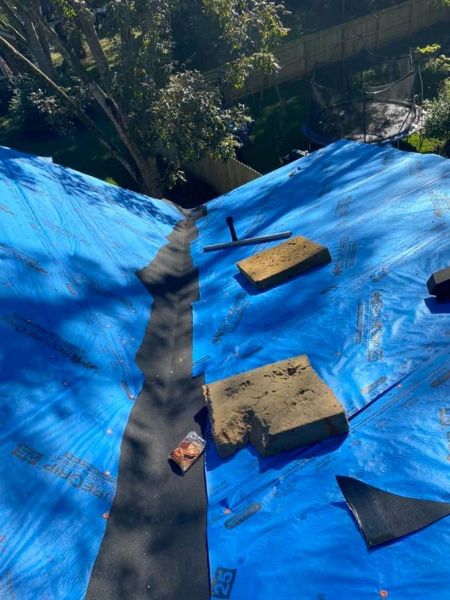
Powerful spring storms, pop-up summer downpours, and the outer bands of fall tropical systems can all hit Macon, GA with wind, hail, and heavy rain. When shingles tear away or a limb opens a hole, tarping is a temporary protective cover that keeps water out until permanent repairs happen. If you need fast help, our emergency roof tarping service protects your interior, contents, and structure while you plan the next step.
What Is Emergency Roof Tarping?
Emergency roof tarping is a short-term barrier placed over damaged areas to keep rain from entering your home. Crews position reinforced tarps so water sheds off the roof instead of into your attic, living spaces, or walls. The material is secured at strategic points to resist wind and channel water away from penetrations like chimneys, skylights, and vents.
Tarping does not replace a permanent fix. It is a bridge that protects the home while the roof is inspected, materials are ordered, and repairs are scheduled. In Macon’s humid climate, that protection matters because even a small leak can turn into soaked insulation, ceiling stains, and musty odors within hours.
When Macon Homes Need a Temporary Roof Leak Cover
After rough weather in neighborhoods like Vineville, North Macon, Bloomfield, or near Lake Tobesofkee, look for warning signs that suggest your home needs a temporary cover right away:
- Visible holes, torn shingles, or missing ridge caps after wind or hail
- Active dripping, new ceiling spots, or damp carpet along exterior walls
- Sunlight showing through deck boards in the attic or saturated insulation
- Tree limbs or flying debris that struck the roof, flashing, or gutters
- Water marks forming around chimneys, skylights, or bath vents during rain
If any of these show up, call a pro quickly. Tarping is temporary, not a repair, but it can prevent further damage, protect belongings, and reduce the scope of work needed later.
What To Expect From a Professional Storm Tarp Service
A skilled crew focuses on safety, containment, and weatherproofing. Here is what a typical visit includes so you know what to expect from start to finish:
- Roof and attic assessment from safe vantage points to map the leak path
- Documentation of storm impacts for your records and insurance conversations
- Placement of a reinforced cover that sheds water and avoids pooling
- Careful sealing around edges and penetrations to reduce wind lift
- Debris removal from the work area and a final check before leaving
Once the roof is stable, the next step is planning the permanent solution. If you are comparing options for shingle replacement, flashing upgrades, or localized fixes, explore our page on roof repairs to see how lasting repairs restore performance and curb appeal.
Macon’s storm season can shift fast. Afternoon heat builds towering clouds, and a quiet sky can turn into a 30-minute deluge with strong gusts. A timely tarp helps prevent secondary water damage that often costs more than the original roof issue.
How Emergency Tarping Protects Your Home And Insurance Claim
Water is sneaky. It follows joists, wicks into drywall, and settles into carpet and baseboards. A prompt tarp limits how far moisture spreads, which can reduce the chance of warped floors, bubbling paint, and mold-friendly conditions. Many homeowners also find that clear documentation helps when they speak with their insurer. Crews typically photograph roof impacts, tarp placement, and interior symptoms so you have a simple set of images and notes to reference later.
Good documentation also makes your repair plan easier to explain. When you meet with a project manager, they can review photos, test stains with a moisture meter, and recommend either localized repair or a broader scope if the deck or flashing needs attention. Call your insurer before moving soaked items if you are unsure about coverage, and keep photos of anything you must discard for safety.
Post-Storm Safety Steps In Macon, GA
Stay cautious after severe weather, especially if lightning, power lines, or large limbs are involved. These simple steps help protect your family while you wait for a professional assessment:
- Never climb onto a storm-damaged roof. Wet shingles and hidden deck damage are dangerous.
- Keep children and pets away from rooms with an active drip or bulging ceiling.
- If safe, place a bucket under known drips and move valuables away from the area.
- Photograph damage from the ground if safe and note when the leak started.
- Contact your insurer and a local roofer for next steps. For fast help with emergency roof tarping in Macon, GA, our team is ready to respond.
During long rain bands, a tarp can be the difference between a ceiling stain and a full ceiling replacement. If you notice the stain growing during a storm, avoid standing under it. A swollen ceiling can release suddenly. Shut the door to the room and wait for professional help.
From Tarp To Repair: Next Steps With Ark Roofing
Once the home is protected, a project manager will schedule a follow-up inspection in dry weather. They will check shingles, flashing, vents, valleys, and any sections hidden by tree debris during the storm. From there, you will get a prioritized plan for permanent work. In many cases, that means targeted repairs where wind or hail hit the hardest. In others, age or prior issues may point to a broader repair scope.
Material choices matter in Middle Georgia. Dark roofs soak up heat in July and August, while lighter colors can help reduce attic temperatures. Flashing upgrades around chimneys and sidewalls can also make a big difference during our fall storm season when wind-driven rain is common.
Why Local Experience Matters In Bibb County Neighborhoods
Homes across Bibb County range from century-old cottages near Ingleside and Vineville to newer builds in North Macon and around Rutland. Each roof style behaves differently in wind and heavy rain. Steep gables shed water fast but can lift at the edges if flashing and starter strips are weak. Lower slopes are more prone to slow-moving leaks that only show up as faint ceiling stains after a long storm.
A local crew understands these patterns and the rhythms of our weather. Afternoon pop-up storms can drop an inch of rain in minutes. Remnants of a Gulf system can sit over Macon for a day. Tarp placement and edge sealing are adjusted for those realities so water sheds the right way while you wait for repairs.
What You Will And Will Not Get From Tarping
Your goal is protection. Tarping gives you a weather barrier and time to make smart repair choices. It does not fix hail bruising, cracked flashing, or a worn-out underlayment. Expect the cover to hold up for a short window and be removed once permanent work begins. If more storms roll through before your repair date, the crew can reassess the cover and make adjustments as needed.
Think of tarping like putting a raincoat over the problem area. It keeps water out while the doctor writes the treatment plan. The sooner the cover goes on, the less time water has to spread into places you cannot see.
Coordinating With Your Schedule
Severe weather never checks your calendar. If a storm hits on a school night or during a workday, communicate what times you can meet, whether a neighbor can let the crew access the property, and where pets will be during the visit. Clear access to the driveway and the attic hatch helps the team move faster and finish before the next cell arrives.
After the cover is in place, store any wet items in a ventilated area, bag anything that smells musty, and jot down a simple timeline of events. Those small steps help your future repair meeting run smoothly.
Storms, Seasons, And Common Macon Triggers
In March through May, cold fronts clash with humid Gulf air and bring gusty thunderstorms. Summer heat fuels fast-building cells that can throw sheets of rain across North Macon in minutes. In September and October, the tail of a tropical system can bring days of steady rain and saturated soil that loosens shallow-rooted trees. Any of these patterns can damage shingles, flashings, and ridge vents.
That is why a quick, professional temporary cover matters. It keeps the problem from growing while you plan a solid, long-term solution with a licensed Roofing Company.
Ready When Severe Weather Strikes
If a storm just hit your neighborhood and you see new leaks or missing shingles, do not wait. Call Ark Roofing at 478-444-5009 to protect your home and belongings. You can also start here to learn how our storm tarp service keeps water out while we plan lasting repairs together.
Protect Your Investment In Macon, GA With Our Roofing Company