Commercial Flat Roof Options: TPO vs. EPDM for Macon Businesses
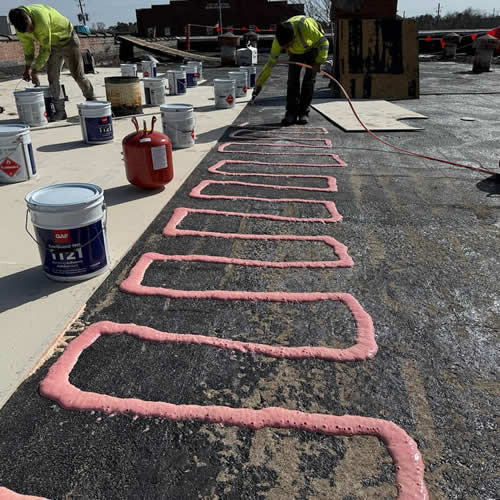
If you are weighing a TPO vs EPDM flat roof for a building in Macon, this guide breaks down how each system handles Georgia heat, frequent summer storms, and day‑to‑day foot traffic. For a deeper look at materials and installation steps, visit our flat roof installation page for context within your specific property.
Both membranes are trusted by facility managers across Downtown Macon, North Macon, and the I‑75 corridor. If you are just starting research, this overview of tpo vs epdm flat roof will help you build a short list before you speak with a specialist.
What TPO And EPDM Mean
TPO stands for thermoplastic polyolefin. It is a single‑ply white membrane with heat‑welded seams. The bright surface reflects sunlight and helps reduce heat gain during long, humid summers. Installers typically fasten it with screws and plates or fully adhere it over insulation.
EPDM is a synthetic rubber membrane. It is best known in its black color, with seams joined by specialized tape or adhesive. Large sheet sizes mean fewer seams on wide, open roofs. EPDM’s flexibility helps it move with the building without stressing the membrane.
How Macon’s Climate Affects Flat Roofs
Macon’s steamy summers, pop‑up thunderstorms, and occasional tropical remnants test commercial roofs. Reflective TPO can help reduce rooftop temperatures on clear July afternoons. EPDM’s rubber chemistry thrives in cold snaps and stays flexible through seasonal swings.
Storms bring heavy rain in short bursts. Proper drains, scuppers, and tapered insulation matter more here than the material alone. Standing water is one of the fastest ways to shorten a flat roof’s life, no matter which membrane you choose.
UV exposure along open lots on Eisenhower Parkway or Riverside Drive can accelerate aging. White TPO reflects more sunlight from day one. Dark EPDM can be specified in lighter colors or coatings, but talk with your roofer about whether that makes sense for your building and schedule.
TPO vs. EPDM: Side‑By‑Side Factors
Every building is different. Use these quick comparisons to focus your decision.
- Energy performance: TPO’s white surface is highly reflective, which may help ease summer cooling loads. EPDM typically absorbs more heat unless specified in lighter options.
- Seams: TPO seams are heat‑welded into a single sheet. EPDM seams are taped or adhered with modern adhesives designed for long service life.
- Foot traffic and punctures: Both can be protected with walkway pads. Unprotected traffic around HVAC units is the most common source of membrane damage.
- Complex roofs: EPDM’s large sheets can minimize seams on wide, open roofs. TPO can be easier to detail cleanly around walls, curbs, and penetrations with welded corners.
- Appearance: Many property owners prefer the bright, clean look of TPO. EPDM’s darker surface can hide dirt and scuffs better on busy loading docks.
Which System Fits Your Building Type In Macon
Warehouses and distribution near I‑475 often see wide open spans and forklift traffic to rooftop units. EPDM’s large sheets reduce seams, while protective pads around service paths prevent punctures. Where energy spend is a top concern, a reflective TPO surface can complement efficient HVAC strategies.
Retail centers in West Macon and Ingleside face frequent door swings and warm interiors. TPO can help manage cooling demand on long, sunny facades. For medical offices and schools where year‑round comfort matters, either system can perform well with the right insulation, attachment, and drainage design.
Older downtown properties sometimes have tight parapet walls, mixed substrates, and many penetrations. TPO’s heat‑weldable details can make flashings cleaner. No membrane will overcome poor drainage, so plan for tapered insulation and clear water paths.
Design Details That Matter In Georgia’s Weather
Insulation: Polyiso boards are common under both systems. Tapered design moves water to internal drains or scuppers. The added R‑value reduces temperature swings inside offices and showrooms.
Attachment: Mechanically attached systems are fast and reliable on many steel decks. Fully adhered systems reduce flutter and can quiet occupied spaces below. Ballasted systems are less common today in our area because of wind and service access needs.
Penetrations: Curbs for HVAC, conduit, and pipe boots must be detailed to manufacturer specs. Extra walkway pads around service zones pay off with fewer calls later.
Maintenance And Warranty Tips For Long Roof Life
Plan routine inspections at least twice a year and after major storms. Early attention to small issues like lifted edges or clogged drains protects the whole system. Keep a simple roof log so service teams know where sensitive areas and past repairs are located.
Ask about manufacturer and workmanship coverage. Understand what is required to keep it valid, such as documented inspections. Skipping maintenance can void coverage faster than a big storm, so have a pro check the roof on a set schedule.
If you want to see how materials and detailing come together in a finished system, review the overview of tpo and epdm systems to compare attachment, flashing, and insulation choices mid‑project.
Real‑World Use Cases Around Macon
Distribution hub in North Macon: Wide spans, few penetrations, and overnight shifts call for predictable service access. EPDM with heavy‑duty walkway pads can limit seams and protect travel paths. A tapered design moves water to internal drains so morning deliveries are not delayed by ponding.
Restaurant and retail strip off Eisenhower Parkway: High A/C demand and reflective storefronts tilt the decision toward TPO to help ease cooling strain. White membranes also brighten rooftop work areas for safer service visits.
Office near Riverside Drive: Mixed mechanical curbs and a tight parapet detail cleanly with welded TPO. Where appearance from nearby buildings matters, owners like the fresh look of a bright, uniform surface that stays cooler in midday sun.
Energy, Comfort, And The Utility Bill
On sweltering afternoons, reflective roofs can help reduce heat gain. That does not replace insulation or smart HVAC, but it is one useful piece. If your cooling costs spike each June through September, a white TPO surface may support your goals when paired with proper insulation and air sealing below the deck.
If your priority is long, low‑drama service life for a simple building with steady interior temps, EPDM remains a workhorse choice in Middle Georgia. Talk with a pro about your operating hours, indoor set points, and roof access patterns so the system matches how your building actually runs.
For a closer look at energy impacts specific to our region, read our quick article on energy‑efficient tpo and epdm flat roof systems to see how reflectivity, insulation, and maintenance work together across the seasons.
How Ark Roofing Plans A Flat Roof That Works
Every project starts with a site visit. We map drainage, check deck type, note rooftop equipment, and review interior use. Then we recommend a system and attachment method that fits your goals, budget range, and timeline.
- Layout and drainage plan that matches Macon’s heavy summer rainfall patterns
- Attachment method tailored to your deck and wind exposure
- Walkway and protection plan around HVAC, ladders, and service routes
- Inspection milestones after severe weather so small issues stay small
If you would like a step‑by‑step view of our process, the flat roof installation page explains how we prepare, stage, and finish projects with minimal disruption to your team.
What To Do Next
If your roof is nearing the end of its service life or you are expanding space near Mercer University or the Industrial Park, let us help you choose a system with confidence. Call Ark Roofing at 478-444-5009 to schedule an on‑site assessment, or share your latest inspection report and photos with our team.
Ready to compare options for your building in Macon, GA? Start the conversation with our specialists and see which system fits your goals by visiting the flat roof installation page, then we will tailor a proposal and timeline that fits your schedule.
Protect Your Investment In Macon, GA With Our Roofing Company